What Does This Code Do? Your Ultimate Guide to Understanding Any Snippet
Struggling with 'what does this code do?' This guide demystifies code analysis with step-by-step methods and powerful AI tools to make you a code detective.
We’ve all been there. Staring at a block of code, feeling like you’re trying to decipher ancient hieroglyphics. That gut-punch moment of asking, “what does this code even do?” is a rite of passage for every developer, from seasoned architects to fresh-faced bootcamp grads. The good news? There’s a method to the madness, and it doesn't involve giving it all up to become a goat farmer.
Cracking the Code From Your First Glance
Let's be real, facing a wall of unfamiliar code is intimidating. It’s like being handed a movie script in a foreign language and asked to summarize the plot. Your first instinct might be to just dive in, line by line, but that’s a fast track to confusion and a sudden urge to research alternative, screen-free careers. A much better approach is to start with a high-level scan—get the movie trailer version before committing to the whole film.
This first pass is all about building context. You're not trying to understand every little detail just yet. Instead, you're on the hunt for the main characters and the overall story arc. Think of it like a detective showing up to a crime scene; you're just surveying the area for clues before you start bagging evidence.
Before we get into the nitty-gritty, here’s a quick cheat sheet you can use to get your bearings with any piece of code. It’s a simple 5-step process to help you form a quick hypothesis about what’s going on.
Quick-Glance Code Analysis Checklist
Use this cheat sheet for a 5-step process to quickly understand what any piece of code is trying to accomplish.
Following these steps gives you a solid starting point. You're not just staring at a wall of text anymore; you're starting to see the outline of a story.
Spotting the Big Picture Clues
So, how do you quickly figure out what a piece of code does? Start by looking for those obvious clues. Pay close attention to function and variable names. A well-named function like calculate_user_discounts tells you a whole lot more than a cryptic one like proc_data. Even poorly named variables like temp or x can offer hints based on how they’re used. Are they holding numbers, text, or something more complex?
The goal of this initial scan is simple: form a hypothesis about the code's purpose. You don’t need to be 100% right, but having a general idea will guide your deeper analysis later.
Of course, doing this manually takes time and practice. If you're looking for that "Aha!" moment to happen instantly, modern tools can give you a massive shortcut. The question "what does this code do" is exactly what AI coding assistants are built to answer. Imagine pointing to a confusing snippet and having a tool like Zemith explain it in plain English. This isn't just a gimmick; this technology is genuinely changing how developers work. The market proves it: in 2024, the global AI productivity tools market was valued at USD 9.89 billion and is projected to skyrocket to USD 115.85 billion by 2034. North America leads the charge, claiming 45.2% of that market, driven by tech hubs that need tools to explain code instantly. You can to see just how fast this space is growing.
Using an AI assistant like the one in Zemith gives you an immediate, human-like summary, turning an hour of head-scratching into a few seconds of clarity. It’s a perfect example of working smarter, not just harder. For a deeper dive into breaking down logic, check out our guide on , which is another great way to visualize complex processes.
The Line-by-Line Detective Method
Okay, you've gotten the 30,000-foot view. Now it’s time to get your hands dirty and go full-on detective with the code. This is where we put on our deerstalker hats, grab a magnifying glass, and stop just scanning the code to actually reading it. The mission is to figure out not just the end result, but precisely how the code gets there, one step at a time.
This isn't a passive activity where you let your eyes glaze over the syntax. You have to actively engage with every single line. Ask yourself, "What is this line doing right now?" and "How does this change things for the next line?" Getting this down is the secret to truly answering the question, what does this code do.
I like to think of it as a simple three-step process: first a quick skim, then a deep-dive analysis, and finally, letting an AI help with the explanation.

Starting with your own analysis before bringing in an AI is key. It gives you a solid foundation that makes the AI's assistance way more effective.
Starting the Investigation
Imagine a tangled script is a crime scene. Your job is to follow the trail of evidence, which in our case, is the flow of execution. You start right at the top, the very first line, and trace the exact path the computer will follow.
And let's be real, we've all been guilty of writing code with terrible variable names like data, temp, or the classic x. It's practically a rite of passage. When you come across these in the wild, your detective work kicks into high gear, and you become a variable tracker.
The single most important part of a line-by-line review is tracking state. A variable is just a container, and you need to know exactly what's inside it at every moment.
Tracking Variables and Logic
As you walk through the code, you have to keep tabs on what each variable holds. You can do this in your head, but honestly, grabbing a notepad or a scratchpad file is a game-changer. When you hit a loop, trace the first couple of runs to spot the pattern. See an if statement? Stop and think, "What would make this true? What would make it false?"
This manual tracing is a fundamental skill, not just for understanding code but for working with others and squashing bugs. In fact, this hands-on process is the very heart of debugging. If you want to get better at it, our guide on is a great place to start.
Putting in this manual effort does more than just help you figure out the script in front of you; it builds a powerful mental model of how programs actually run. Once you get good at this "detective work," you'll have a whole new appreciation for tools that can automate it. The first time you see an AI like Zemith spit out a perfect line-by-line explanation in seconds, it won't feel like magic. It'll feel like a well-earned promotion to Chief Detective.
Your Reusable Code Explanation Template
Ever tried to explain a chunk of code and ended up making it more confusing? We’ve all been there. You either drown your teammates in details they don’t need, or you’re so brief that you leave them with more questions than answers.
What if you had a simple, fill-in-the-blanks template to get it right every time?
Well, here you go. We've put together a reusable Markdown template that adds a predictable, easy-to-follow structure to your code explanations. This isn't just about making code reviews less painful. It's a gift to the future version of you who, at 2 AM, will be incredibly grateful for the clarity.
The Anatomy of a Perfect Explanation
A truly great code explanation is built in layers. Each part gives the reader a little more context, guiding them from a bird's-eye view right down into the nitty-gritty details.
Here’s the structure we swear by:
- High-Level Summary: A single sentence that answers, "What's the point of this code?"
- Prerequisites: What does someone need to know or have installed before they can even run this?
- Inputs & Outputs: Simply, what goes in, and what comes out?
- Line-by-Line Breakdown: A step-by-step tour through the logic. No magic, just clear steps.
- Gotchas & Edge Cases: What are the hidden traps or weird scenarios someone might run into?
Using a structure like this makes sure you cover all your bases. It’s the difference between documentation that just exists and documentation that actually helps. For a deeper dive on this, our guide on explores this philosophy further.
The point of a template isn't to create more work for you. It's to create less thinking. When you follow a consistent structure, clarity becomes the default, not an afterthought.
Copy and Paste This Template
Ready to make your explanations legendary? Just copy this Markdown template and use it wherever you need to explain what your code is doing. It turns the dreaded question of "what does this code do" into a simple, systematic process.
`markdown
📜 High-Level Summary
(In one sentence, what is the main goal of this code?)
Prerequisites
(What libraries, environment variables, or prior knowledge is needed?)
- Library:
requests- for making HTTP calls. - Concept: Basic understanding of JSON data structure.
➡️ Inputs & Outputs
- Input:
userId(string) - The unique identifier for a user. - Output:
userData(dictionary) - A dictionary containing the user's profile information orNoneif not found.
🚶 Line-by-Line Breakdown
- Line 1-3: We define a function
fetch_user_datathat takes auserId. - Line 5: The code constructs the API endpoint URL using the provided
userId. - Line 7-9: It makes a GET request and handles potential network errors.
- Line 11: If the user is found (status code 200), it returns the user data as a dictionary.
- Line 13: If the user is not found, it returns
None.
⚠️ Gotchas & Edge Cases
- If the API is down, the function will raise an exception.
- The function assumes the
userIdis a valid string; it doesn't handle integer inputs.`
Here's a little pro-tip for Zemith users: save this template in your Smart Notepad. That way, you’ve always got a perfect explanation structure ready to go with a single click, turning a tedious job into a quick win.
Uncovering Hidden Risks and Edge Cases

Okay, so your code works on the happy path. You feed it the exact data it’s expecting, and it spits out the right answer. Awesome. But that’s just table stakes. The real test—the thing that separates good code from production-ready code—is what happens when you start throwing curveballs.
Truly understanding a piece of code means knowing its breaking points. It’s about more than just getting the right output; it’s about anticipating how it will fail. This is where you put on your engineer’s hat and think about resilience. You have to poke at the weak spots and make sure your code can withstand the chaos of the real world.
That means hunting down edge cases, security flaws, and performance drains before they become a 3 AM fire drill.
Thinking Like a Code Breaker
To find these hidden landmines, you have to think destructively. How can I break this? What's the weirdest input a user could accidentally (or intentionally) provide? A huge part of explaining what code does is also explaining what it does when things go haywire.
Let's do a quick poll. How many of you have tested your code with...
- Empty or null inputs
- The wrong data type (a string instead of a number)
- A ridiculously large number
- An emoji in a text field
- All of the above (you chaos agent, I like you)
If you didn't check any boxes, don't worry, you're not alone! But these are the exact kinds of troublemakers you need to look for.
A senior engineer doesn't just write code that works; they write code that doesn't break. Anticipating edge cases is the barrier that separates good, functional code from great, resilient software.
Spotting Security and Performance Traps
Beyond weird inputs, you need to look for more sinister problems. Security isn't a feature you tack on at the end—it needs to be part of your analysis from the get-go. Could that input field be an open door for a SQL injection or cross-site scripting (XSS) attack?
Performance is the same story. That nested loop might look innocent, but does it secretly scale in a way that will grind the system to a halt? Is the code making 10 separate database calls when a single, smarter query would do the job? A function that’s technically correct but takes 10 seconds to run is, for all practical purposes, broken. Diving into can give you a more structured way to hunt down these kinds of issues.
Thankfully, you don’t have to do all this guesswork on your own. This is a perfect place to use an AI assistant. A tool like Zemith's Coding Assistant can scan the code and act as a second pair of eyes, flagging common vulnerabilities and performance red flags you might have missed. It’s like having a security and performance expert on call, helping you build code that’s not just functional, but truly rock-solid.
Supercharge Your Analysis with an AI Coding Assistant

Breaking down code manually is a great skill to have. But let's be real—it can sometimes feel like trying to start a fire by rubbing two sticks together. It works, but there are much faster ways to get warm. This is where an AI co-pilot like Zemith can completely change your workflow. It's your secret weapon for getting an answer to "what does this code do" in seconds, not hours.
This isn’t about just handing your work over to a machine. It’s about having a brilliant partner. Think of it less as a mysterious black box and more like having a 24/7 senior dev on call—one who’s had a bit too much coffee and is always ready to dive in. You get to skip the grunt work and focus on what really matters.
Crafting the Perfect AI Prompt
The quality of the answer you get from an AI is all about the quality of the question you ask. Just dropping a block of code and hoping for the best is a recipe for a mediocre response. To get genuinely useful insights, you need to give the AI some context. A better question for an AI is, "analyze this code and suggest improvements," not just "what does this do?"
Try framing your prompts with a clear goal in mind:
- Explain for a specific audience: "Explain this Python script to me like I'm a total beginner who has never touched the 'pandas' library before."
- Request specific analysis: "Walk me through the potential security holes in this Javascript snippet and tell me how to patch them."
- Ask for improvements: "Can you refactor this function to make it more efficient? And please add comments explaining your changes."
The more specific you are, the more personalized and helpful the AI's explanation will be. You're basically upgrading from a generic answer to a custom code review on demand.
If you’ve ever pasted code into Zemith's AI and watched it return a crystal-clear explanation, you're already part of a major shift in software development. The numbers don't lie: research shows 70% of developers report a 30% faster onboarding process with AI-powered explanations, and they cut down on errors by 25%. The market for these AI productivity tools is projected to be worth USD 89.4 billion by 2033, and it's fueling a massive boom in efficiency across the industry.
Beyond Explanation to Actionable Insights
A top-tier AI coding assistant does way more than just explain. With a tool like Zemith, that analysis is just the starting point.
Once the AI tells you what your code does, you can immediately follow up with commands to:
- Generate Test Cases: Ask it to whip up a suite of unit tests that cover the happy path, weird edge cases, and things that are likely to break.
- Suggest Optimizations: Get instant recommendations on how to make your code run faster or just make it easier for the next person to read.
- Translate Languages: Need to convert that Python script into JavaScript? No problem. Just ask.
This turns your AI from a simple explainer into a true creative partner. You can really level up your work by integrating an . When you team up with an AI, you're not just getting answers faster—you're learning more quickly, writing better code, and winning back hours of your day. For more great options, check out our roundup of the on the market.
From Code Explanation to Content Creation
Okay, so you've managed to get an AI to break down a confusing piece of code for you. What’s next? If you're a developer, that might be all you needed. But if you're in marketing, research, or content, that technical explanation is just the starting block.
Think of that AI-generated summary as raw material—a goldmine of insights you can spin into all sorts of valuable content. Getting the answer to "what does this code do" is the first step. The next is turning that answer into a story, a campaign, or a new piece of research.
It's no surprise that the AI productivity tools market is absolutely exploding—it's projected to hit USD 89.4 billion by 2033. This boom is all about tools that make complex information accessible to everyone, not just the experts. That's exactly what a tool like Zemith does with its Document Assistant, which can take a dense code explanation and transform it into just about anything.
Turning Insight into Assets
Let's make this real. Imagine your dev team just shipped a new recommendation feature, and they hand you the Python script that runs it. In the past, that script would have been a black box.
Now, you can drop it into Zemith and get a plain-English explanation. From there, the Smart Notepad lets you instantly repurpose that insight into practical content:
- Blog Post Draft: Give it a simple prompt like, "Turn this explanation into a blog post for a non-technical audience about our new feature."
- Tweet Thread: Ask it to, "Create a 5-tweet thread explaining the benefits of this new feature, based on what the code does."
- Podcast Script: Flip over to the Document to Podcast feature to get an audio script that explains the cool new benefits to your customers in a natural, conversational style.
This simple workflow connects the dots between a technical query and a powerful marketing asset. It’s about giving everyone on the team the ability to work with information that was previously out of reach.
If you're looking to really level up your ability to analyze code and create content from it, checking out the variety of available can be a game-changer. That's why we built Zemith as an all-in-one platform—to make this whole process, from the initial analysis to the final blog post, feel completely seamless.
Still Have Some Questions About Code Analysis?
It's totally normal to have a few questions buzzing around, especially when you're trying to get the hang of new tools and workflows. Let's tackle some of the most common ones we hear so you can get back to what you do best: building great software.
How Accurate Are AI Code Explanations, Really?
AI coding assistants like Zemith are shockingly accurate for the vast majority of code you'll throw at them. But it’s smart to think of the AI as your genius junior dev—fast and brilliant, but still in need of a senior eye. It's always a good habit to use the AI's explanation as a first draft and double-check the critical logic yourself, especially if it's for a production app.
The AI gets you 95% of the way there in a matter of seconds. You’re still the expert in the room who needs to validate that final 5%. A good developer uses AI to make them faster and smarter, not to replace their own judgment.
So while the AI gives you a massive head start, your expertise is what polishes the output and ensures it’s truly reliable. That human review is what turns a quick answer into a rock-solid solution.
What's the Best Way to Ask an AI About a Piece of Code?
The real trick is to be specific. Just dropping in a code block and asking "what does this do" will get you a general answer. If you want a great answer, you need to give the AI a little more context.
The more you tell it about what you're looking for, the more helpful its explanation will be.
Here are a couple of ways you could frame your question:
- For Beginners: "I'm new to Python. Can you explain this code to me like I'm a beginner and tell me what the 'requests' library is used for here?"
- For Security: "Review this JavaScript snippet and point out any potential security vulnerabilities you see."
A well-crafted prompt guides the AI directly to the insight you need, which means less back-and-forth and more time saved.
Do These Methods Work for Any Programming Language?
Yep, absolutely! The core ideas of code analysis—starting high-level, then diving into a line-by-line review, and finally testing the edges—are universal principles. The syntax might change, but the logic behind solving problems is the same whether you're looking at Python, JavaScript, Java, or C++.
On top of that, modern AI tools like Zemith are built to be multilingual. They can handle an incredible number of languages, effectively acting as your universal translator for almost any codebase you come across.
Feeling ready to make sense of even the most confusing code? Zemith is designed to do just that and a whole lot more. From generating code explanations to drafting technical blog posts and analyzing data, it’s time to see what you can build. .
探索 Zemith 功能
所有顶级AI。一个订阅。
ChatGPT、Claude、Gemini、DeepSeek、Grok 及25+模型








始终在线,实时AI。
语音 + 屏幕共享 · 即时回答
学习一门新语言的最佳方式是什么?
沉浸式学习和间隔重复效果最好。尝试每天消费目标语言的媒体内容。
语音 + 屏幕共享 · AI 实时回答
图像生成
Flux、Nano Banana、Ideogram、Recraft + 更多

以思维的速度书写。
AI自动补全、改写和按命令扩展
任何文档。任何格式。
PDF、URL或YouTube → 聊天、测验、播客等
视频创作
Veo、Kling、MiniMax、Sora + 更多

文字转语音
自然AI语音,30+语言
代码生成
编写、调试和解释代码
与文档对话
上传PDF,分析内容
口袋里的AI。
iOS和Android完整访问 · 随处同步
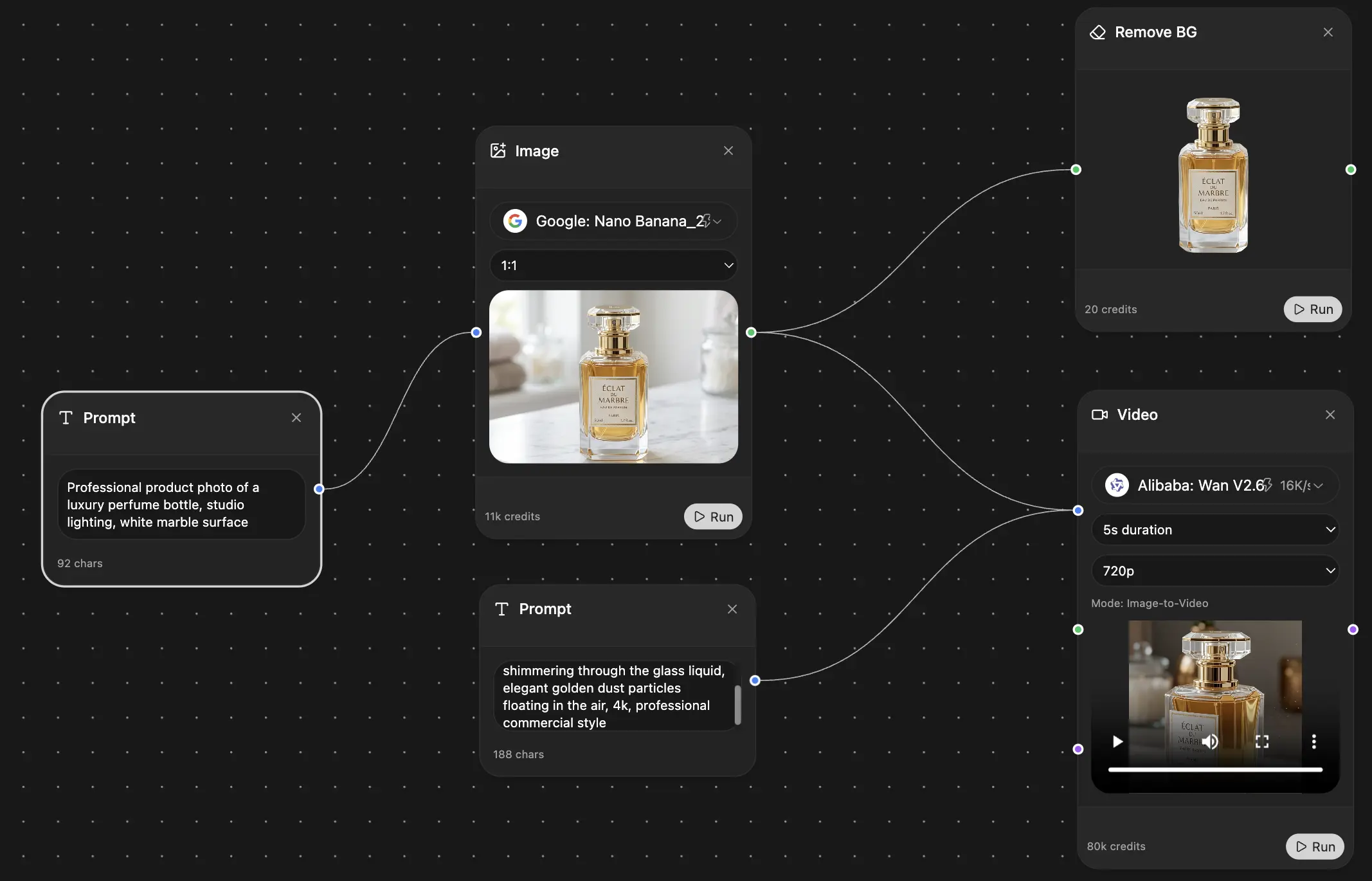
你的无限AI画布。
聊天、图像、视频和动态工具 — 并排展示
节省数小时的工作和研究时间
简单、经济实惠的定价
受信赖的企业团队






免费
无需信用卡
- 每日100积分
- 3个AI模型试用
- 基础AI聊天
增强版
- 1,000,000积分/月
- 25+个AI模型 — GPT、Claude、Gemini、Grok等
- Agent Mode:网页搜索、计算机工具等
- Creative Studio:图像生成和视频生成
- Project Library:与文档、网站和YouTube对话,播客生成、闪卡、报告等
- Workflow Studio和FocusOS
专业版
- 包含增强版所有功能,以及:
- 2,100,000积分/月
- Pro专属模型(Claude Opus、Grok 4、Sonar Pro)
- Motion Tools和Max Mode
- 优先使用最新功能
- 访问额外优惠
用户评价
Great Tool after 2 months usage
"I love the way multiple tools they integrated in one platform. Going in the right direction."
— simplyzubair
Best in Kind!
"The quality of data and sheer speed of responses is outstanding. I use this app every day."
— barefootmedicine
Simply awesome
"The credit system is fair, models are perfect, and the discord is very responsive. Quite awesome."
— MarianZ
Great for Document Analysis
"Just works. Simple to use and great for working with documents. Money well spent."
— yerch82
Great AI site with accessible LLMs
"The organization of features is better than all the other sites — even better than ChatGPT."
— sumore
Excellent Tool
"It lives up to the all-in-one claim. All the necessary functions with a well-designed, easy UI."
— AlphaLeaf
Well-rounded platform with solid LLMs
"The team clearly puts their heart and soul into this platform. Really solid extra functionality."
— SlothMachine
Best AI tool I've ever used
"Updates made almost daily, feedback is incredibly fast. Just look at the changelogs — consistency."
— reu0691