


Every top model, with tools built in.
Search the web, run deep research, read files, create images and run code with GPT, Claude, Gemini, Grok and more.

Black Forest Labs just released FLUX.2, and it's a massive leap forward. From 4MP resolution to multi-reference support, here's why this matters for creators and developers.
I've been building Zemith for a while now, and if there's one thing I've learned about the AI space, it's that "new" doesn't always mean "better." We see models launch every week with hype that rarely survives the first few days of real-world testing.
But then there's Black Forest Labs. When they released the original FLUX, it genuinely shifted the landscape. It wasn't just hype; it was a tool that creators actually wanted to use.
Now, they've dropped FLUX.2, and after digging into the specs and seeing what it can do, I have to say: this feels like another leap, not just a step.
Here's my take on what makes FLUX.2 different and why it matters if you're building or creating with AI.
FLUX.2 is Black Forest Labs' second-generation image generation system. It's built on a latent flow matching architecture—specifically coupling a Mistral-3 24B parameter vision-language model with a rectified flow transformer.
If that sounds like technical jargon, here's the translation: It understands the world better. It's not just matching keywords to pixels; it has a deeper grasp of spatial relationships, material properties, and real-world logic.
But specs are one thing. Features are what we actually use. Here's what stands out to me.
This is the big one. FLUX.2 allows you to combine up to 10 reference images into a single output.
For anyone working in branding, character design, or consistent storytelling, this is huge. You're not just hoping the model remembers what your character looks like; you're giving it the blueprints. It enables a level of consistency across assets that was previously a nightmare to achieve without complex fine-tuning.
We're talking about native generation at resolutions up to 4 megapixels. That's print-quality territory.
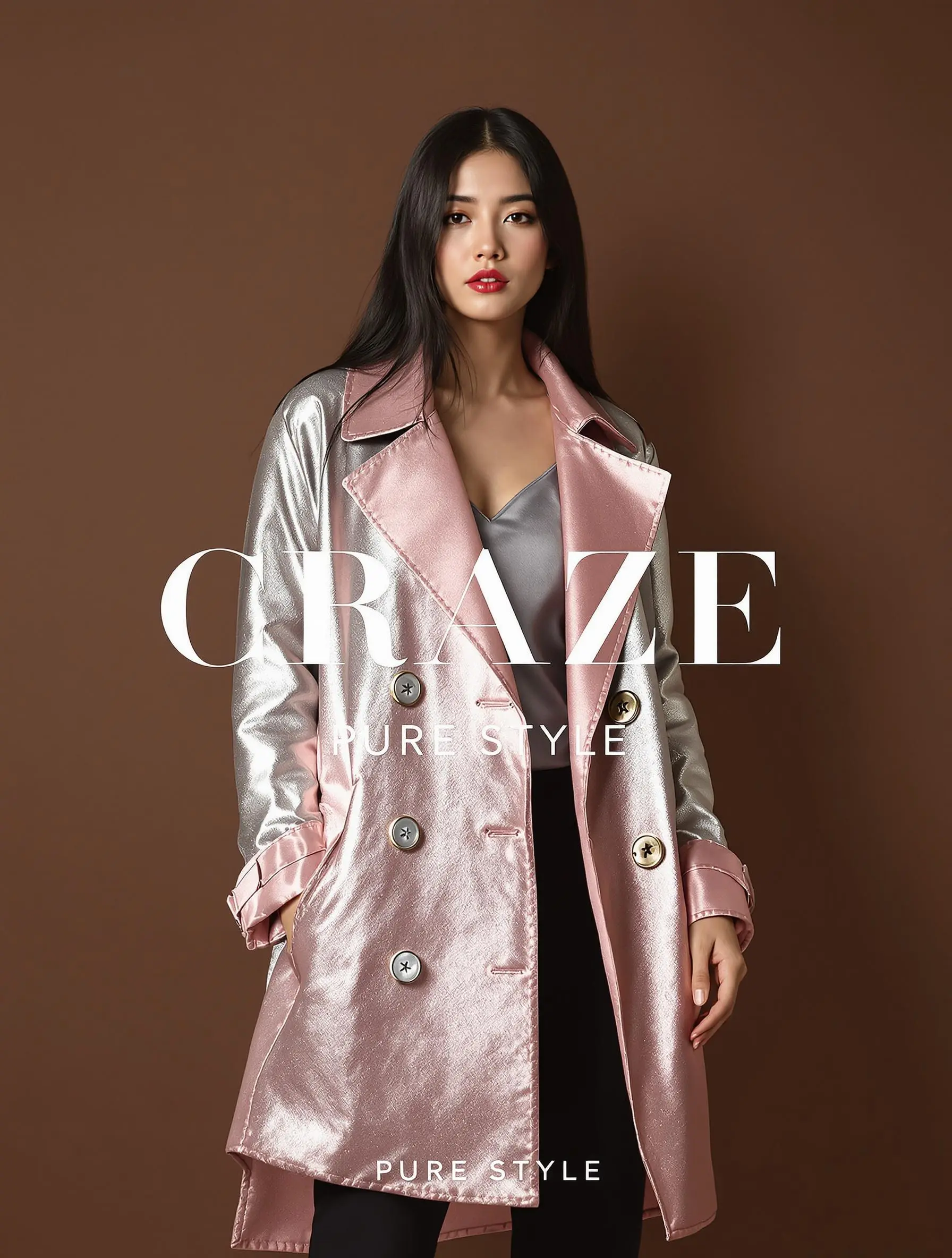
But it's not just about pixel count. The "AI look"—that weird, plastic sheen that plagues so many models—is significantly reduced here. The textures are sharper, the lighting is more stable, and the details feel grounded. For product photography or high-end visualization, this is a serious upgrade.
We've all struggled with AI text. You ask for a sign that says "Coffee" and get "Cofefe" written in alien hieroglyphs.
FLUX.2 has made a major push here. It can reliably render complex typography, infographics, and UI mockups with legible, fine text. For designers mocking up concepts, this saves hours of Photoshop work.
They've introduced advanced control primitives like hex color steering and direct pose control. This moves us closer to "directing" the AI rather than just prompting it. You can tell it exactly what color you want or exactly how someone should be standing.
Black Forest Labs understands that one size doesn't fit all. They've released a family of models:
This tiered approach is smart. It acknowledges that a hobbyist, a researcher, and a production studio have completely different needs.
As a founder, I look at tools like FLUX.2 and see opportunity. The barrier to creating professional-grade visual assets is dropping rapidly.
The ability to use JSON prompting and structured instructions means we can build more reliable, programmatic workflows on top of these models. It stops being a slot machine and starts being a rendering engine.
We believe in giving you access to the best tools the moment they're ready. That's why I'm excited to share that FLUX.2 is available on Zemith right now.
You don't need to set up complex local environments or manage API keys. We've integrated it directly into our platform. You can test its multi-reference capabilities, push the resolution limits, and see if it fits your workflow.
Whether you're generating assets for your next campaign or just exploring the bleeding edge of generative AI, FLUX.2 is worth your time.
Ready to see what FLUX.2 can do? Try it now on Zemith.







Trusted by teams at






The top models, plus image, video and voice tools, in one plan.
Without Zemith
ChatGPT PlusUS$20.00Claude ProUS$20.00Google AI ProUS$19.99SuperGrokUS$30.00Perplexity ProUS$20.00 MidjourneyUS$10.00
 ElevenLabsUS$6.00Le Chat ProUS$14.99
 RunwayUS$15.00Kling StandardUS$8.80
 Gamma PlusUS$12.00
 Otter ProUS$16.99
 QuillBot PremiumUS$19.95
 Photoroom ProUS$12.99
 Quizlet PlusUS$7.99
Total if paying separatelyUS$234.70/mo
"I love the way multiple tools they integrated in one platform. Going in the right direction."
— simplyzubair
"The quality of data and sheer speed of responses is outstanding. I use this app every day."
— barefootmedicine
"The credit system is fair, models are perfect, and the discord is very responsive. Quite awesome."
— MarianZ
"Just works. Simple to use and great for working with documents. Money well spent."
— yerch82
"The organization of features is better than all the other sites — even better than ChatGPT."
— sumore
"It lives up to the all-in-one claim. All the necessary functions with a well-designed, easy UI."
— AlphaLeaf
"The team clearly puts their heart and soul into this platform. Really solid extra functionality."
— SlothMachine
"Updates made almost daily, feedback is incredibly fast. Just look at the changelogs — consistency."
— reu0691
Hand off the research, writing, design and follow-ups. Zemith picks the tools it needs and brings back finished work.
Search the web, run deep research, read files, create images and run code with GPT, Claude, Gemini, Grok and more.
Zemith keeps working in the cloud and pings you when it's done.
Notion, Linear, Canva, Airtable and more. It asks before it creates or changes anything.
Docs, slides, sheets and PDFs, ready to send.
Chain models and tools on a visual canvas, from one prompt to a finished promo video.
Briefings, reports and reminders run on a schedule and are ready when you need them.
Real-time voice that can see your camera or screen.
The best image and video models, in one studio.
Turn PDFs, links and YouTube videos into podcasts, quizzes, flashcards and mind maps.











 Podcast
 Quiz
Quiz Flashcards
 Mind map
 Infographic